MiCA EMT Issuer Compliance: The Complete Operational Guide
How to issue an e-money token under MiCA: Article 48 EMI/bank licence, Article 54 reserve rules (30%/60%), EBA significance thresholds, and the PSD2 dual-licensing trap explained.
In-depth analysis of MiCA, MiFID II, CASP licensing, and the rest of the EU regulatory landscape — for Web3, crypto, and fintech founders building in Europe.
Articles on this blog are drafted with AI assistance and are reviewed and approved by a qualified lawyer at NewFrame Legal LLC before publication. They are informational only and are not legal advice.
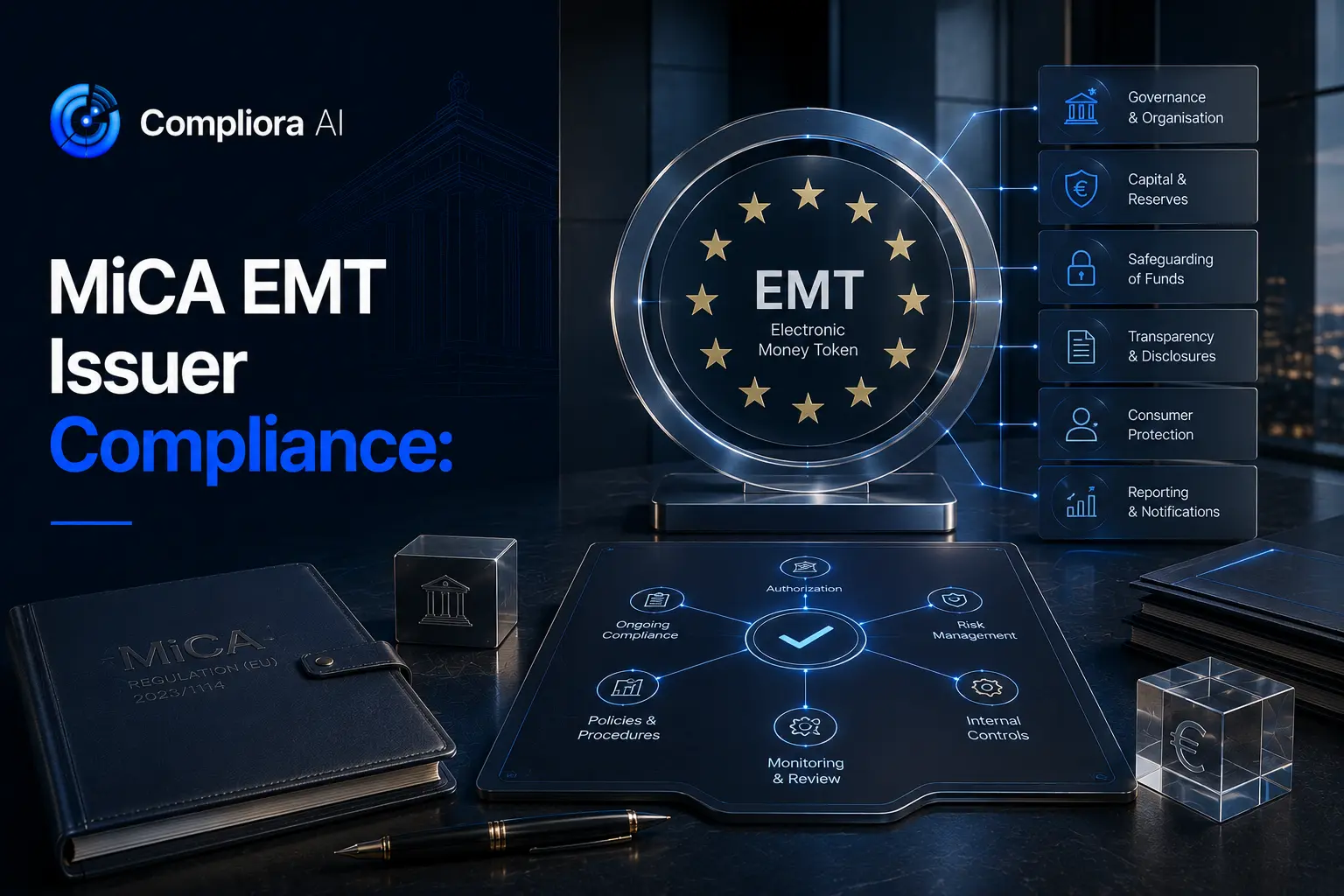
How to issue an e-money token under MiCA: Article 48 EMI/bank licence, Article 54 reserve rules (30%/60%), EBA significance thresholds, and the PSD2 dual-licensing trap explained.

How to get a CASP licence from BaFin under MiCA in Germany: KMAG rules, Annex IV capital tiers (€50k–€150k), Article 63 timeline, GwG/AML obligations and Article 60 fast-track.
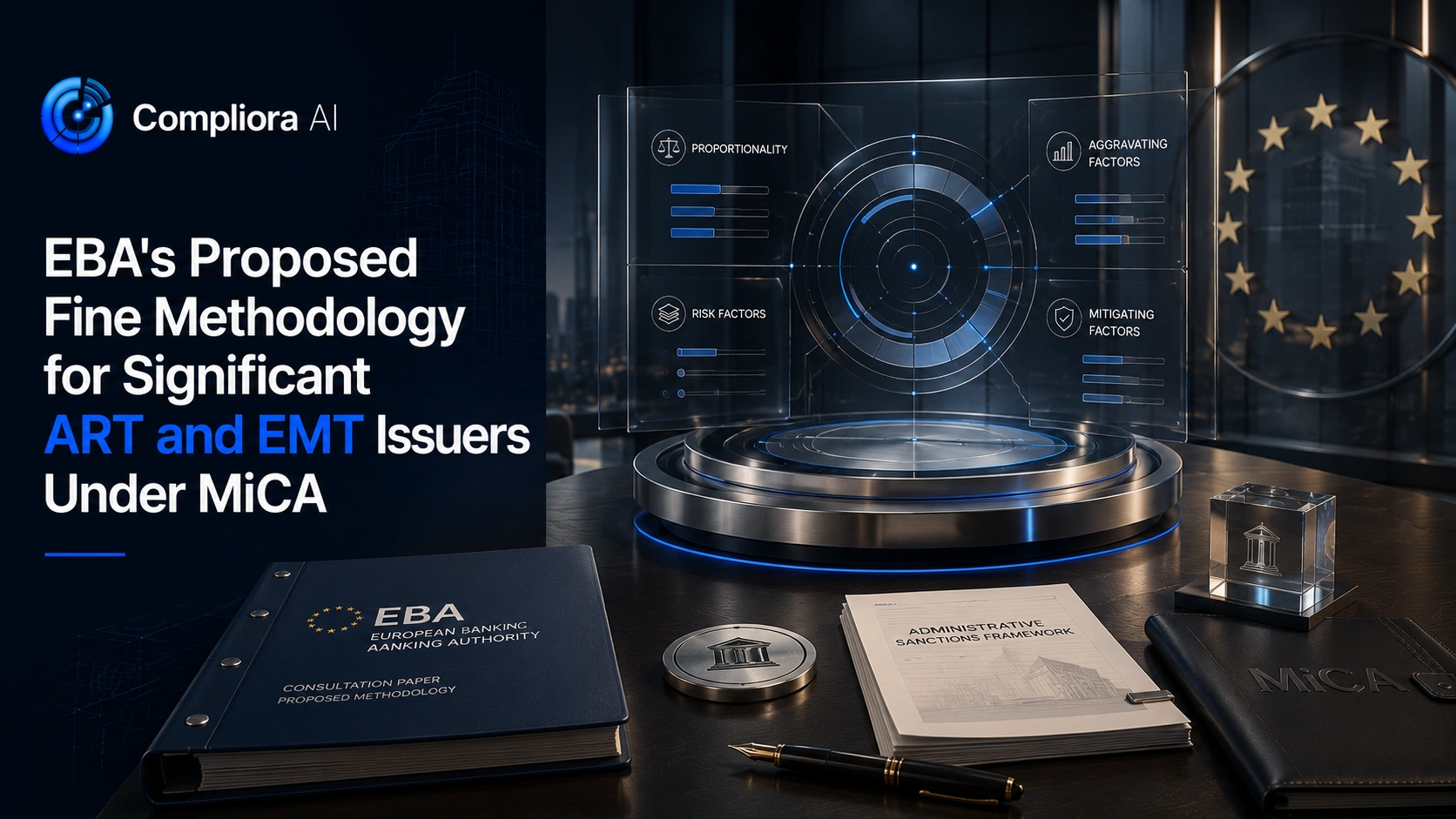
EBA/CP/2026/10 explained: how the EBA proposes to calculate fines for significant ART and EMT issuers under MiCA Article 131 — two-step method, turnover ceilings, severity tiers, and what to do before 28 Sept 2026.

Prudential maintenance, staff training deadlines, AML/TFR obligations, significant CASP thresholds, and the compliance lifecycle every authorised CASP must manage under MiCA.

How MiCA-licensed CASPs open EU bank accounts in 2026: documentation, de-risking, Basel CRR III Art. 501d risk weights, EMI alternatives and banking redundancy strategy.

AMLR (Regulation EU 2024/1624) applies 10 July 2027. Full guide: CDD thresholds, Article 79 privacy-coin ban, AMLA direct supervision criteria, STR duties and a pre-2027 checklist for MiCA-authorised CASPs.

MiCA marketing obligations for CASPs: Articles 7, 9 & 66 fair-clear-not-misleading standard, risk warnings, white-paper consistency, ESMA market-abuse guidelines, finfluencer rules, Google Ads CASP policy & a pre-publication checklist.
CASP license in the Czech Republic: CNB authorisation under MiCA, capital classes €50k–€150k (Art. 67 + Annex IV), Article 63 review timelines, substance rules and 2026 status.

What crypto compliance software actually does for MiCA, MiFID II, PSD2 and AIFMD — manual vs AI-assisted review, what to look for, and where software ends and legal counsel begins.

MiCA Title VI market abuse obligations for CASPs: Article 92 STOR reporting, Delegated Regulation 2025/885 surveillance requirements, ESMA guidelines, and Article 111 penalties explained.
Offering staking as a service in the EU? MiCA classifies it as custody. Learn the CASP licence, Article 75 duties, asset segregation, and explicit-consent rules that apply.
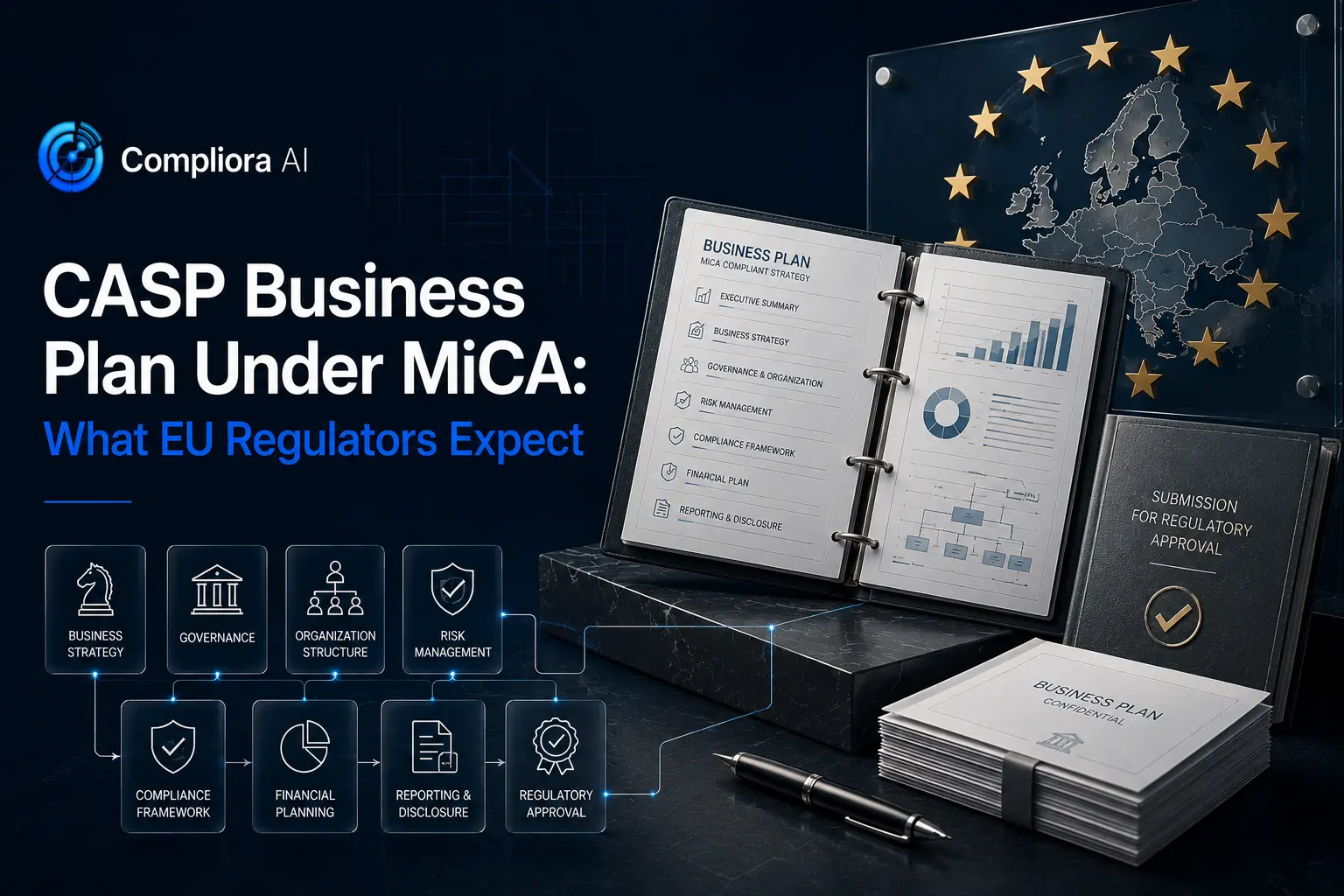
What EU regulators actually scrutinise in a MiCA CASP business plan (Programme of Operations). Article 62, Annex IV capital, ESMA Q&A 2349 — section-by-section guide.
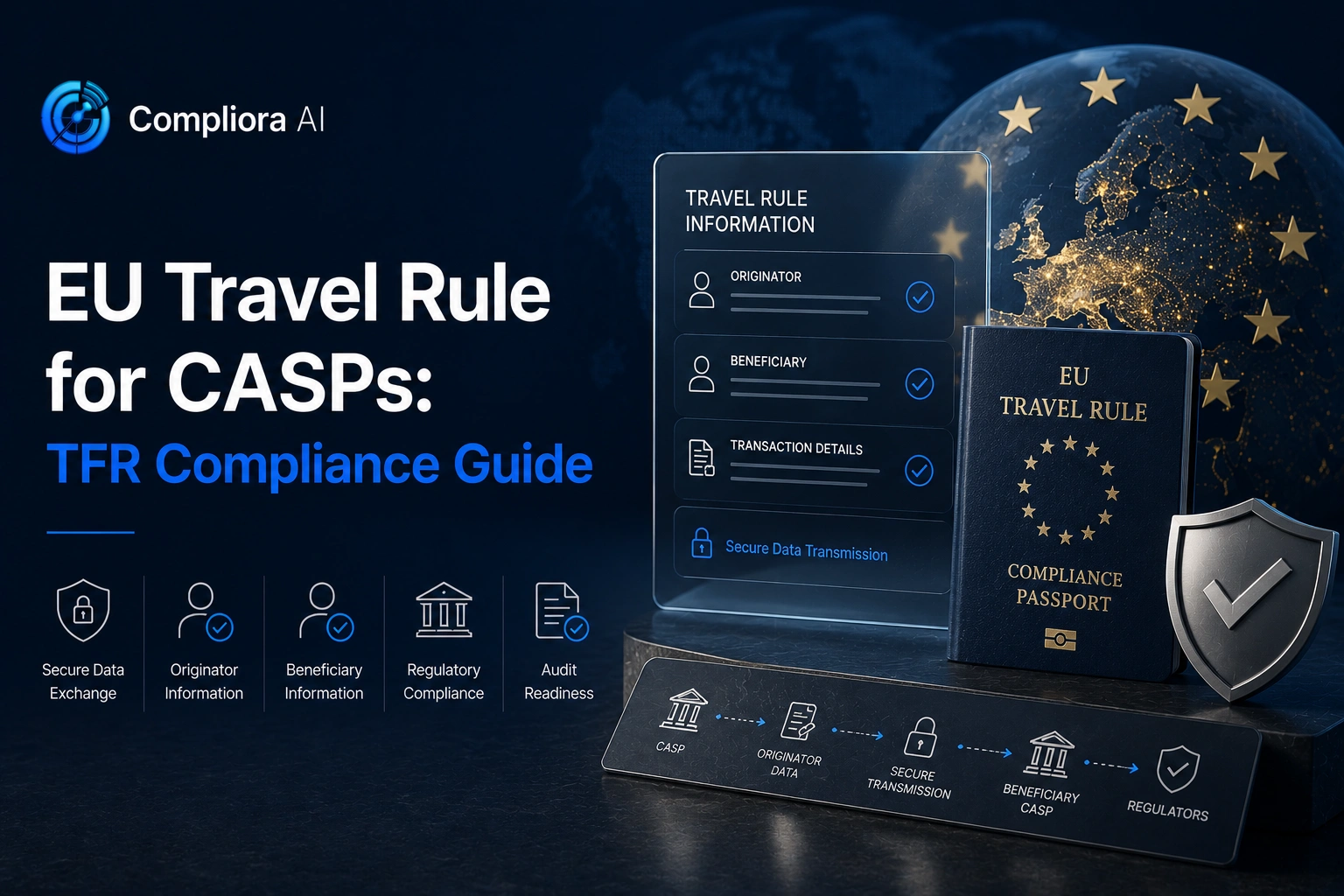
Zero-threshold rule, self-hosted wallets, EBA/GL/2024/11 & protocol interoperability explained for EU CASPs under Regulation (EU) 2023/1113.

How CASPs build an audit-ready staff competence framework under MiCA Art. 81(7) and ESMA guidelines before the 28 July 2026 deadline — tier mapping, CPD logs, records.
CNMV CASP licence Spain 2026: capital thresholds, application steps, transitional regime nuances, DAC8, passporting mechanics, and cost — all verified against MiCA primary sources.
Step-by-step guide to the MFSA CASP licence in Malta: Art. 67 capital classes, prudential safeguard options, application timeline, AML/FIAU overlay and passporting — 2026 edition.
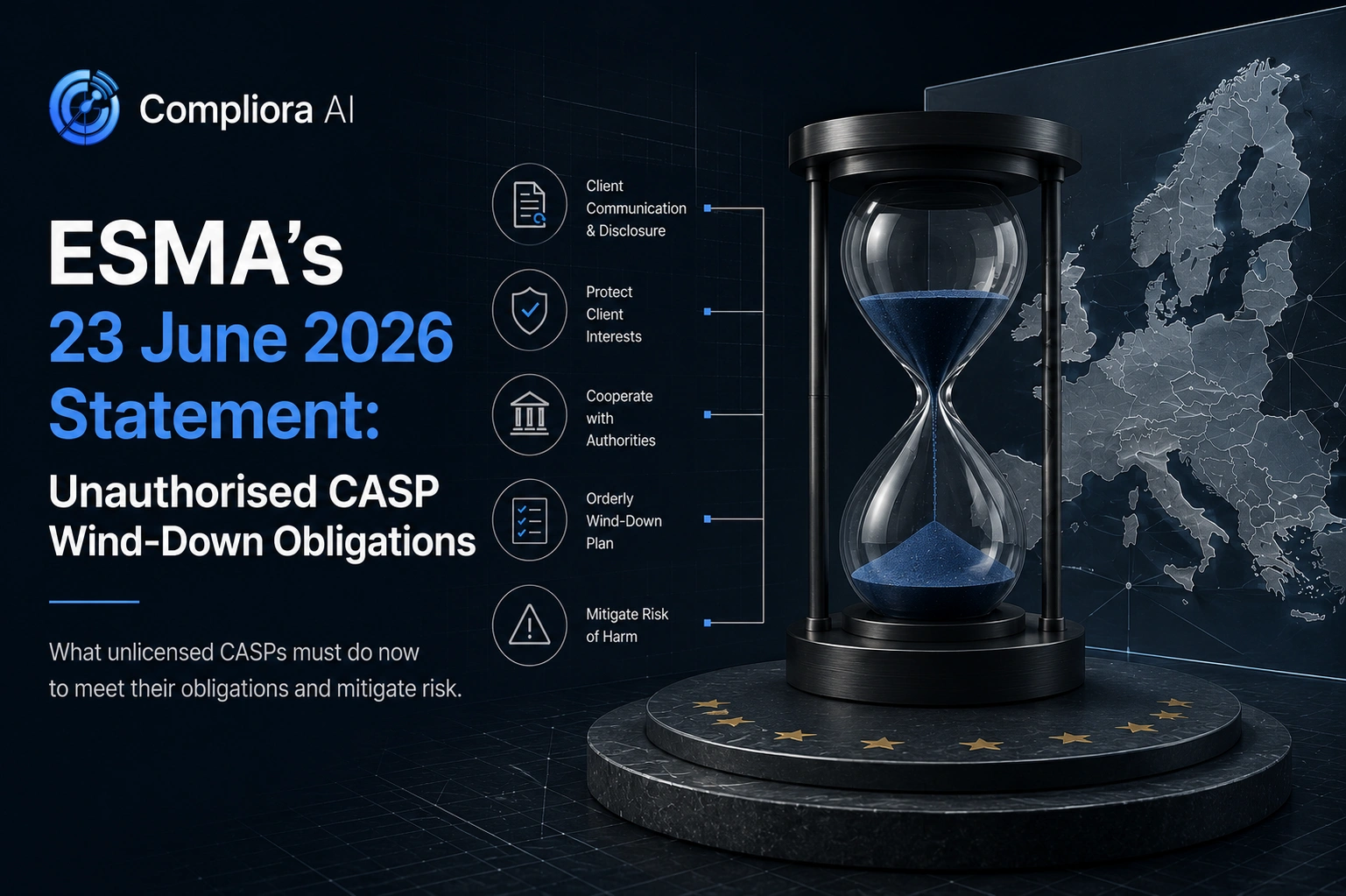
ESMA's 23 June 2026 public statement sets out exactly what unauthorised CASPs must do as MiCA's transitional period ends 1 July 2026. Compliance checklist inside.
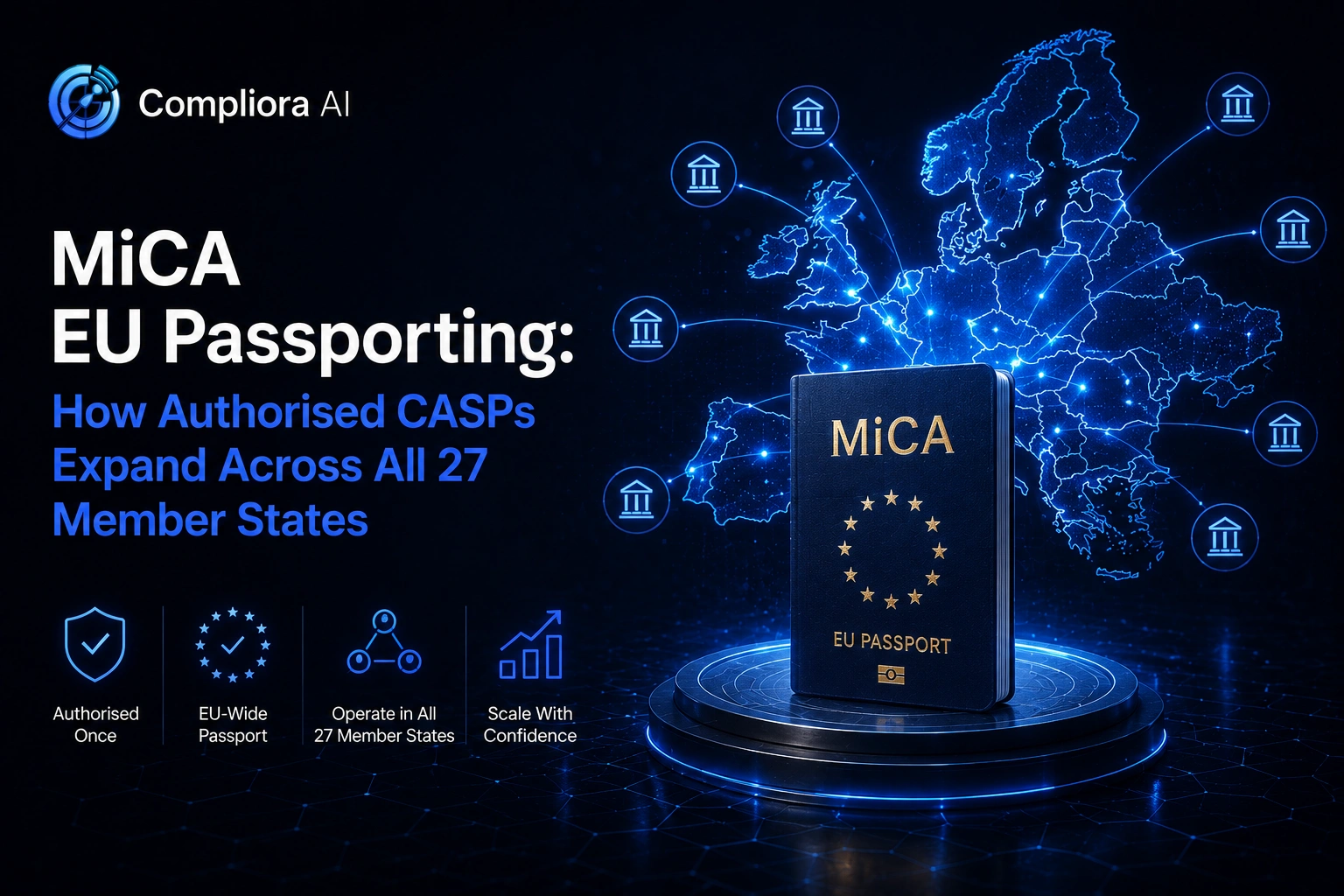
MiCA's EU passport lets an authorised CASP serve all 27 Member States (plus EEA) through a single Article 65 notification — no separate licences. Procedure, timeline, host-state rules, and jurisdiction comparison.
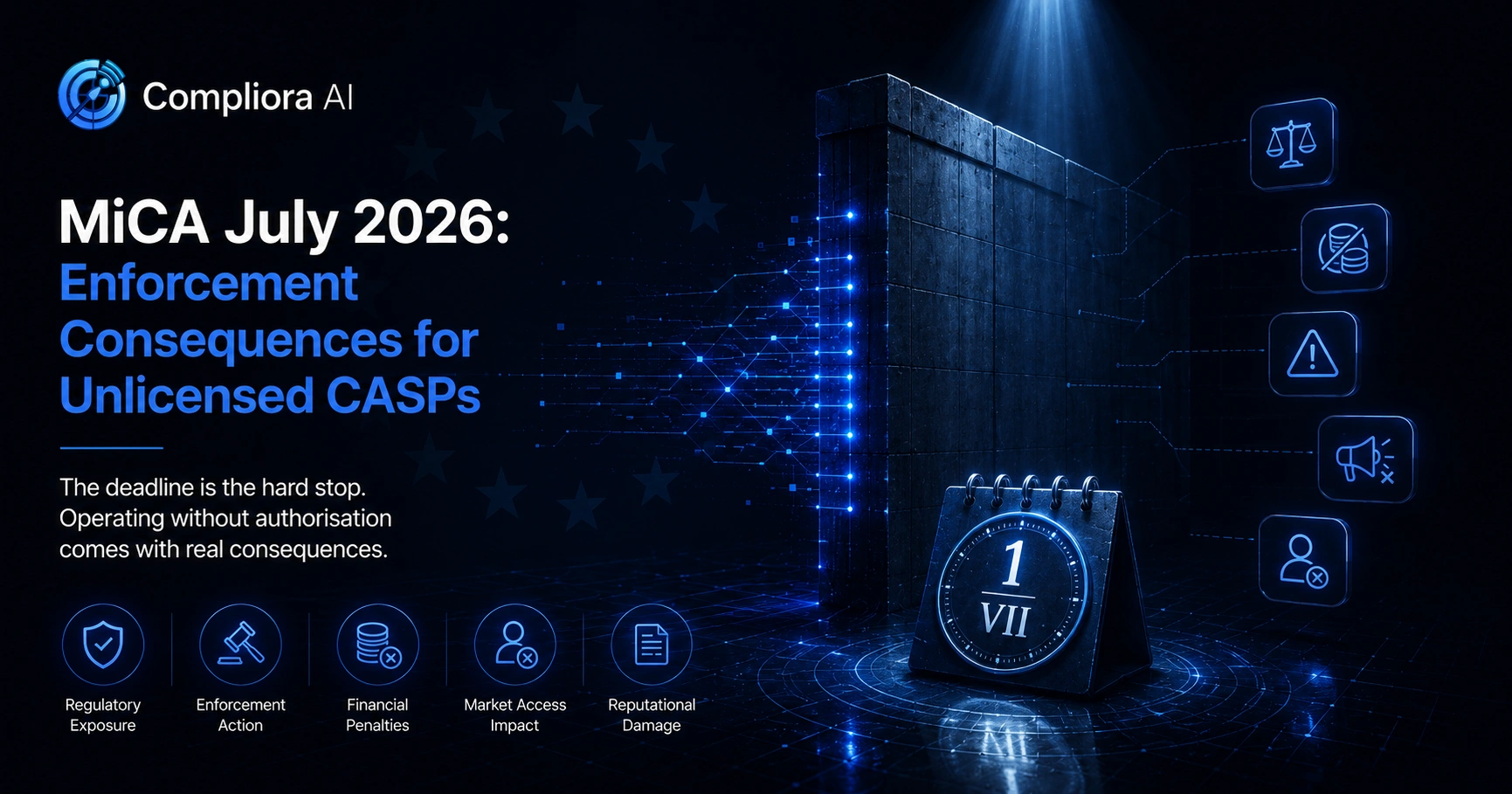
Article 59 prohibition lands July 1, 2026. NCAs may fine, cease-and-desist, and publish decisions. What happens to pending applications, wind-downs, and last-resort options.
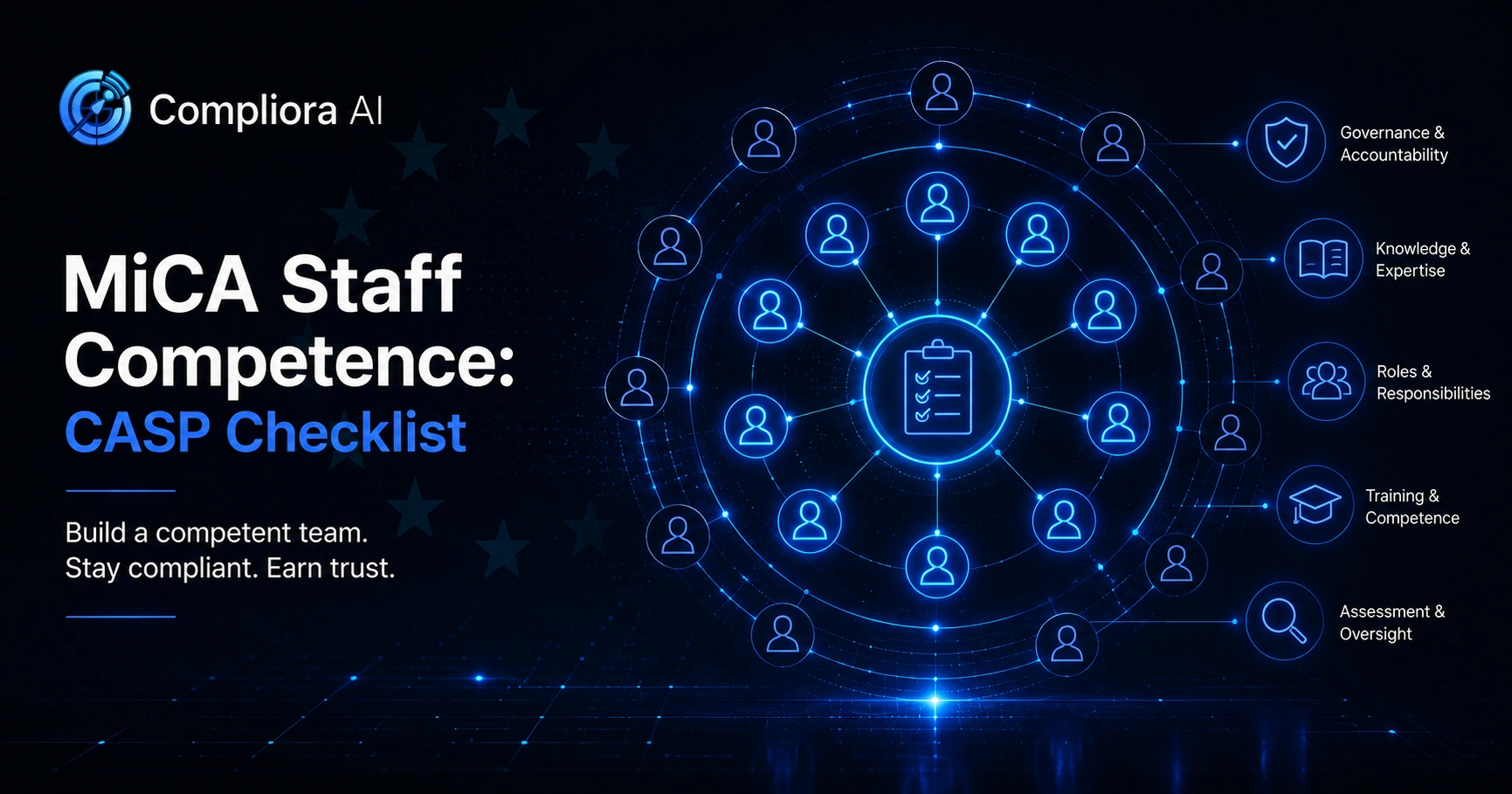
ESMA's knowledge & competence guidelines apply from 28 July 2026. Get the definitive CASP checklist: two-tier roles, five advice routes, CPD, and the grandfather clause.
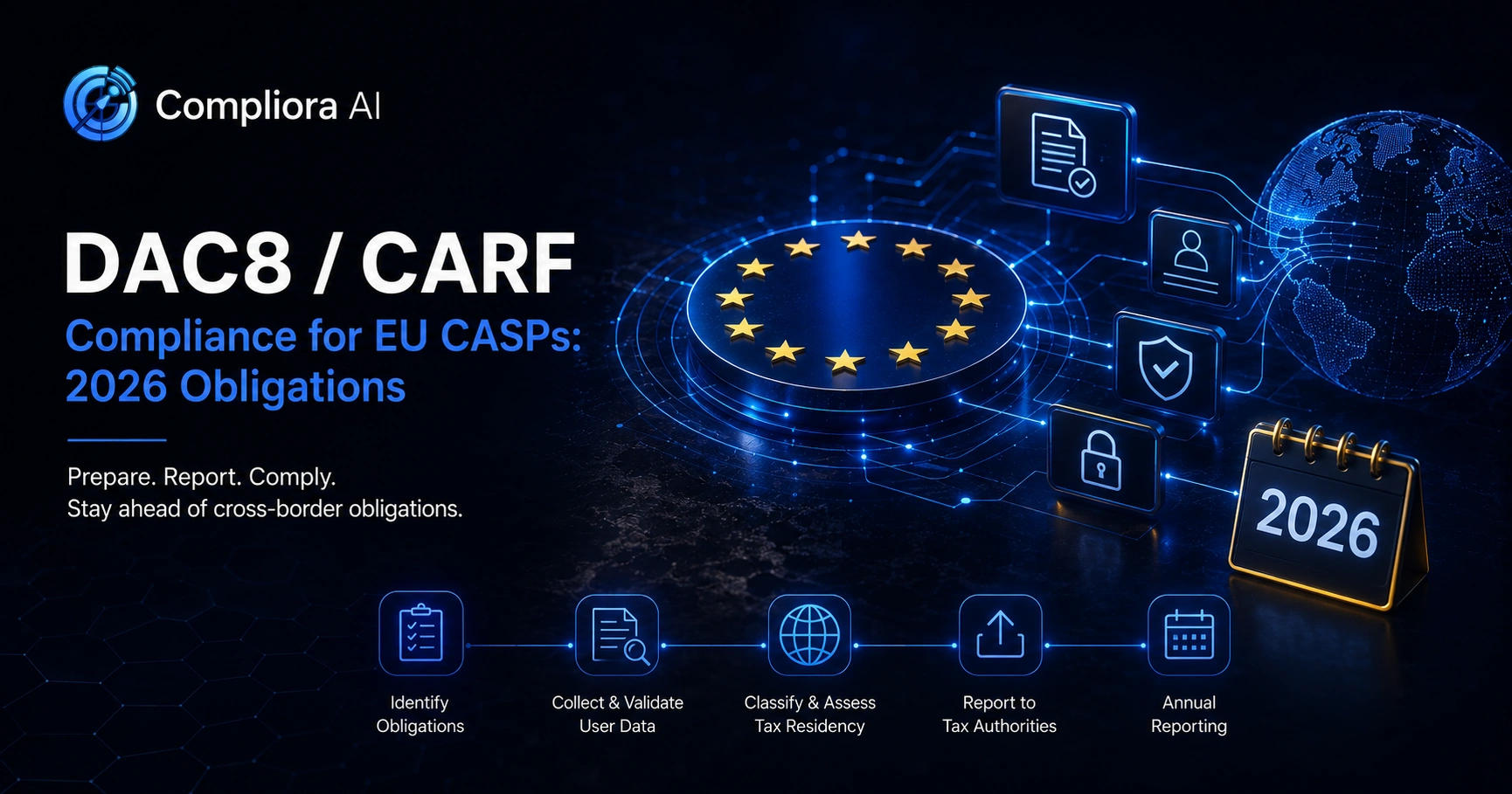
Data collection from 1 Jan 2026, TIN self-certification, 60-day blocking rule, reporting deadlines, non-EU registration, and the GDPR intersection — everything CASPs need.
Your CASP licence is only half the job. DORA has applied to every crypto-asset service provider since 17 January 2025 — the five pillars, incident-reporting deadlines, testing and third-party rules, explained.

MiCA Article 143 transitional period ends 1 July 2026. Understand wind-down obligations, Article 111 sanctions, per-country deadline map, and your last operational options.
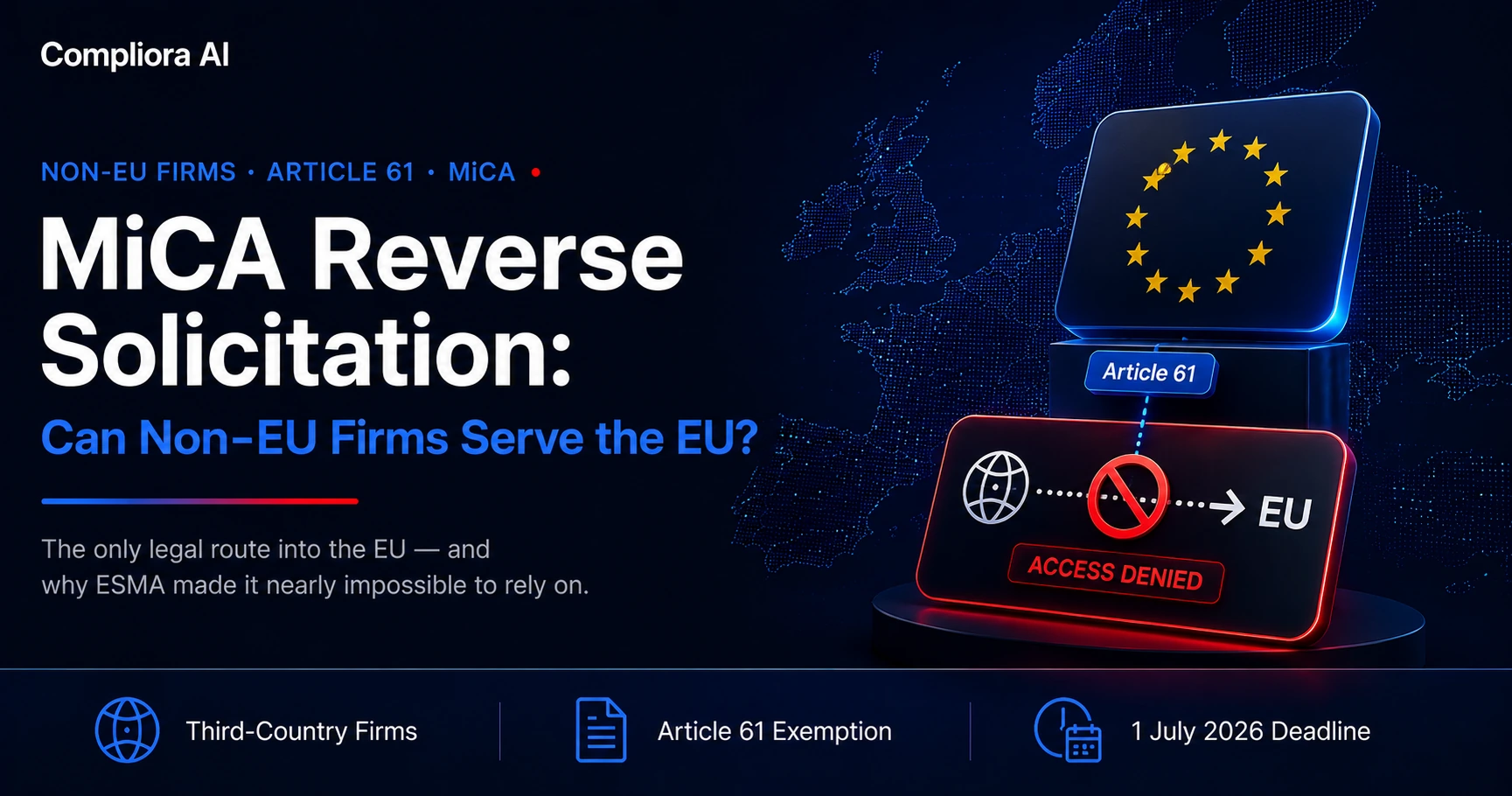
Reverse solicitation is the only legal route for non-EU crypto firms into the EU — and ESMA has made it nearly impossible to rely on. What's actually allowed before the July 1, 2026 deadline.
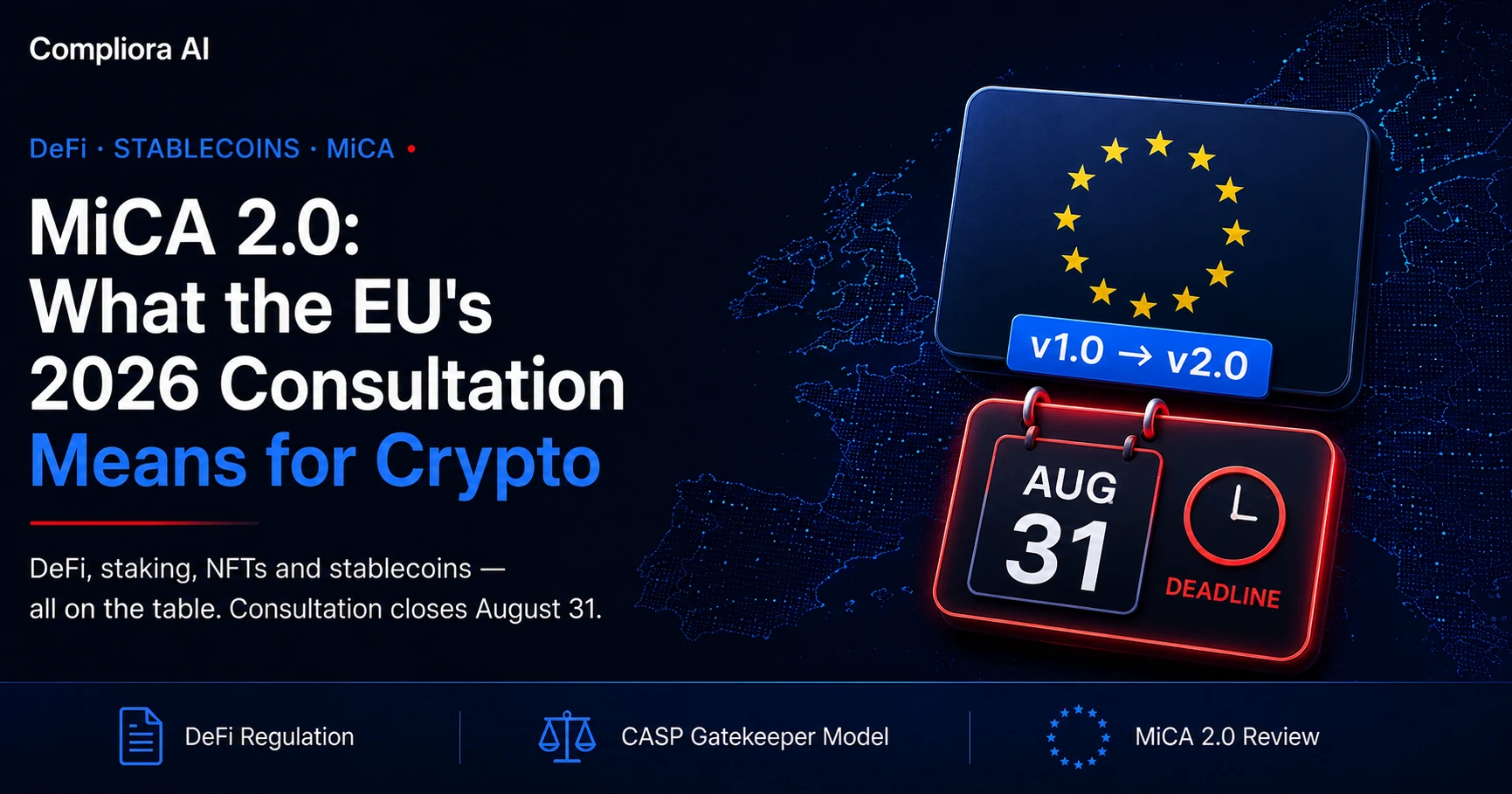
The EU launched a MiCA review on May 20, 2026. DeFi, staking, NFTs and stablecoins are on the table. What crypto projects need to know before August 31.
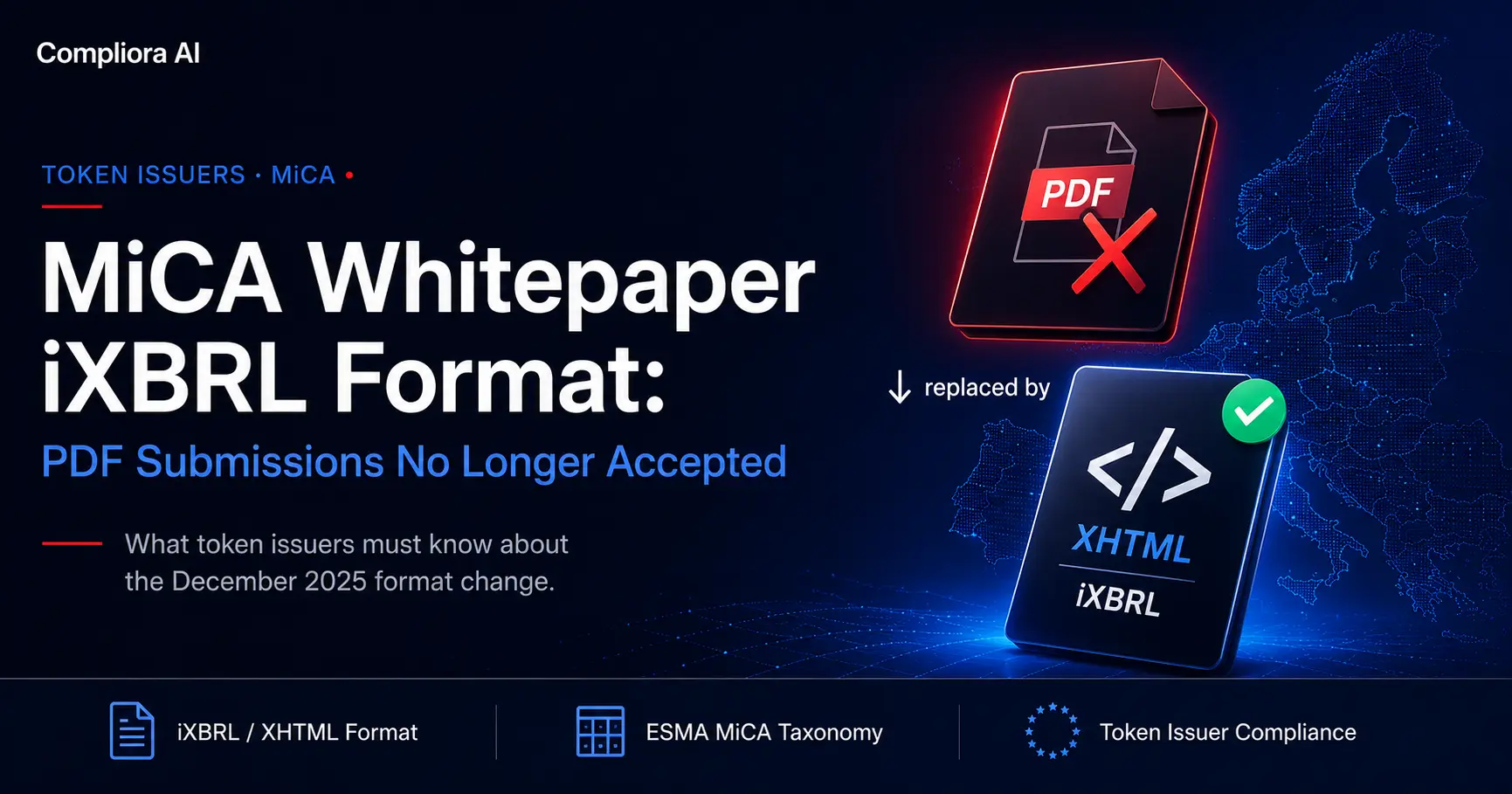
PDF whitepapers are no longer accepted. Since 23 December 2025, all MiCA white paper submissions must use iXBRL format. Here is what changed and what to do.
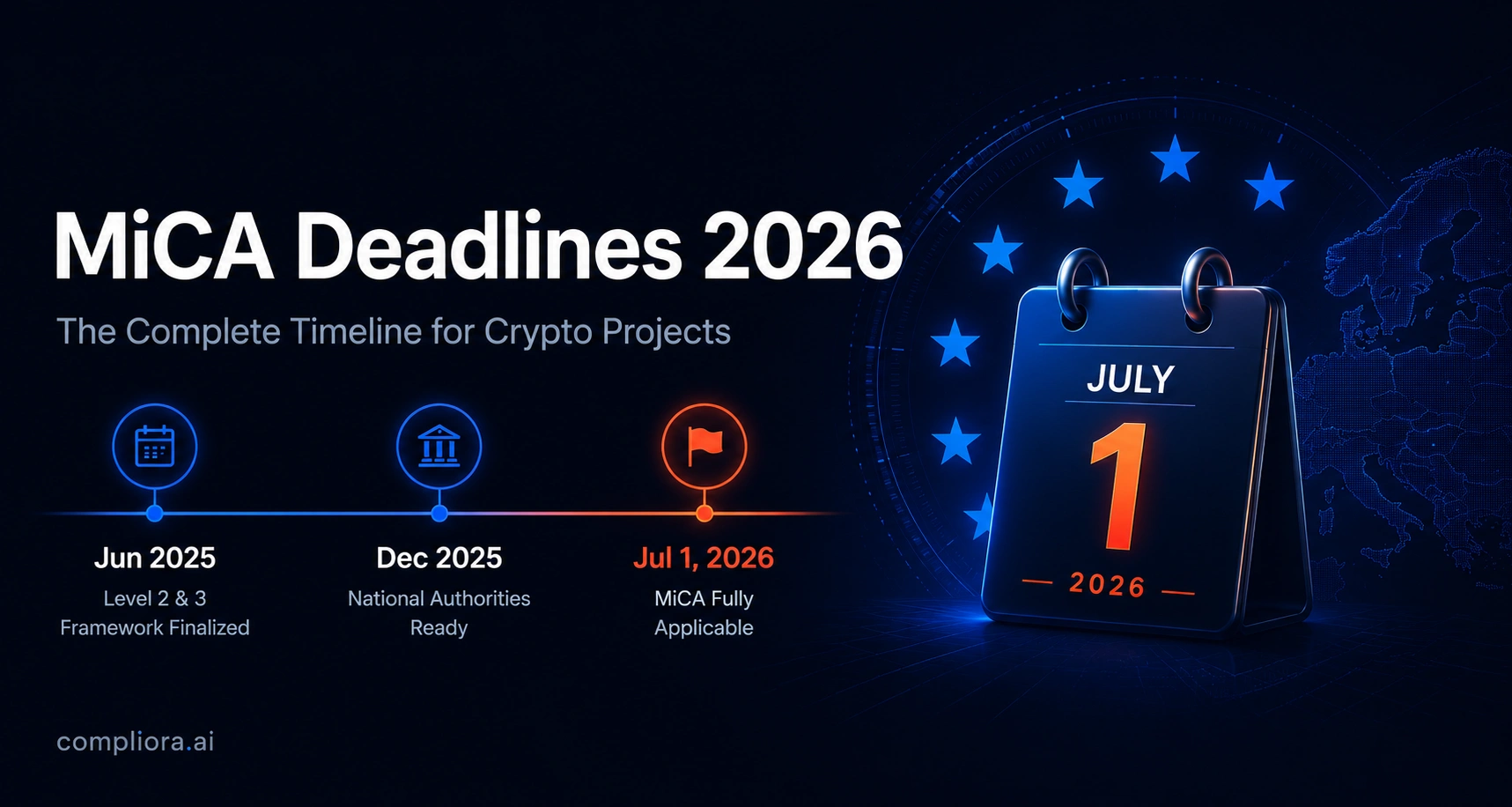
July 1, 2026 is the hard cutoff. Every MiCA deadline that matters — by country, by project type, and what happens if you miss it.
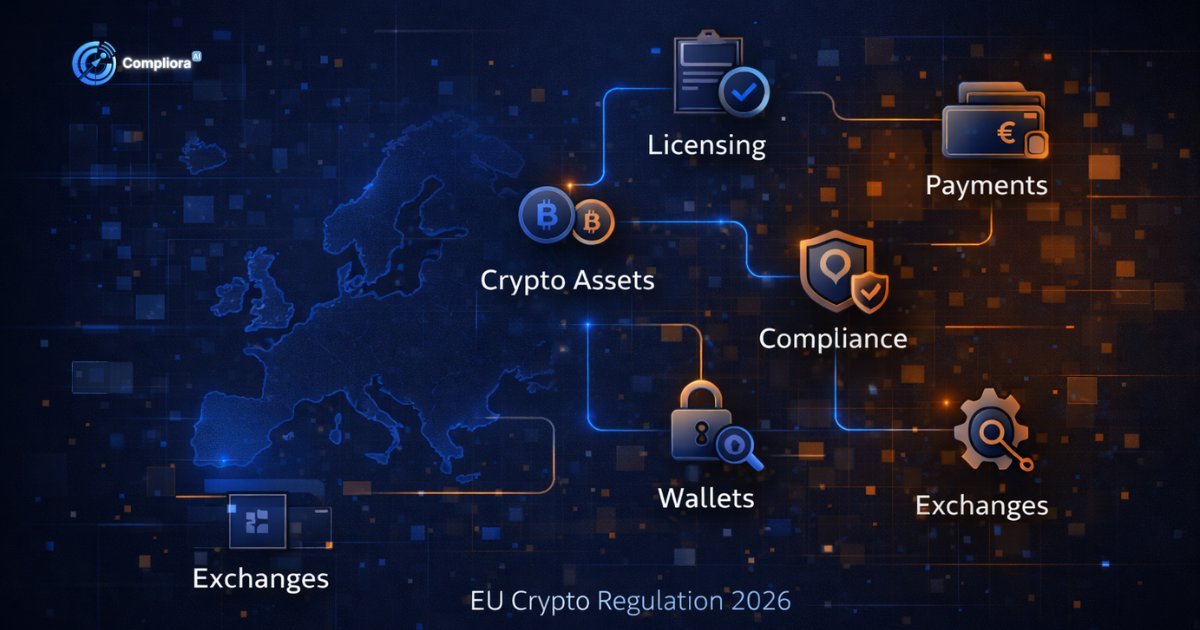
MiCA, MiFID II, TFR (Travel Rule), DORA, PSD2, AIFMD, AMLR — how the pieces fit together and what applies to your project.
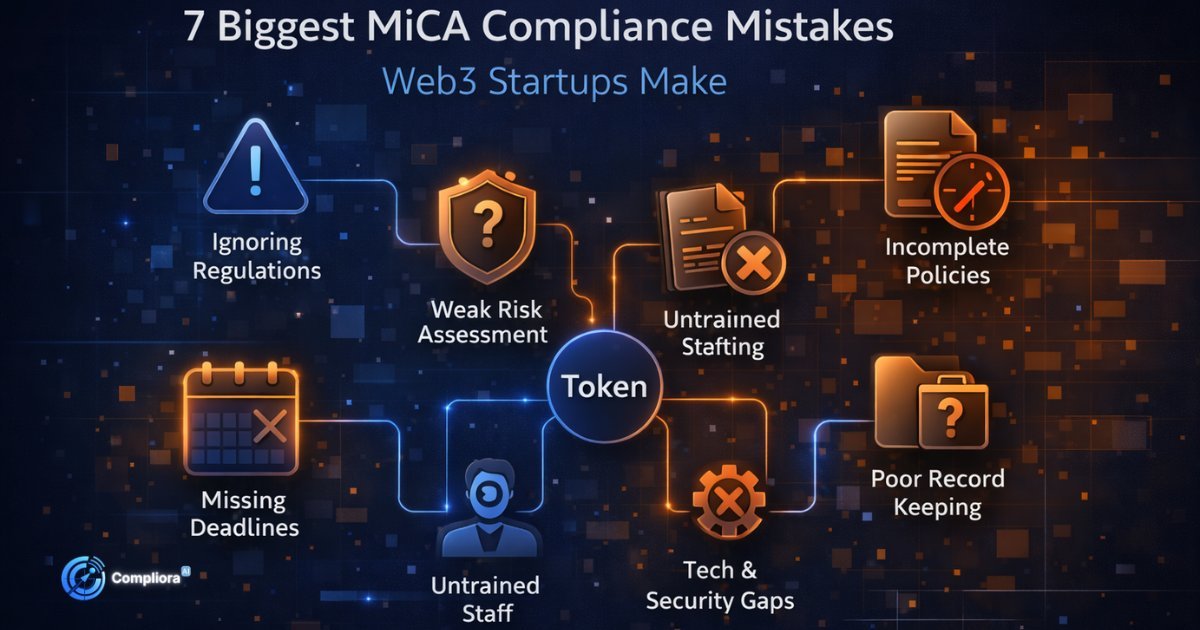
The same seven mistakes appear again and again in enforcement actions — from misclassifying tokens to ignoring cross-border obligations.
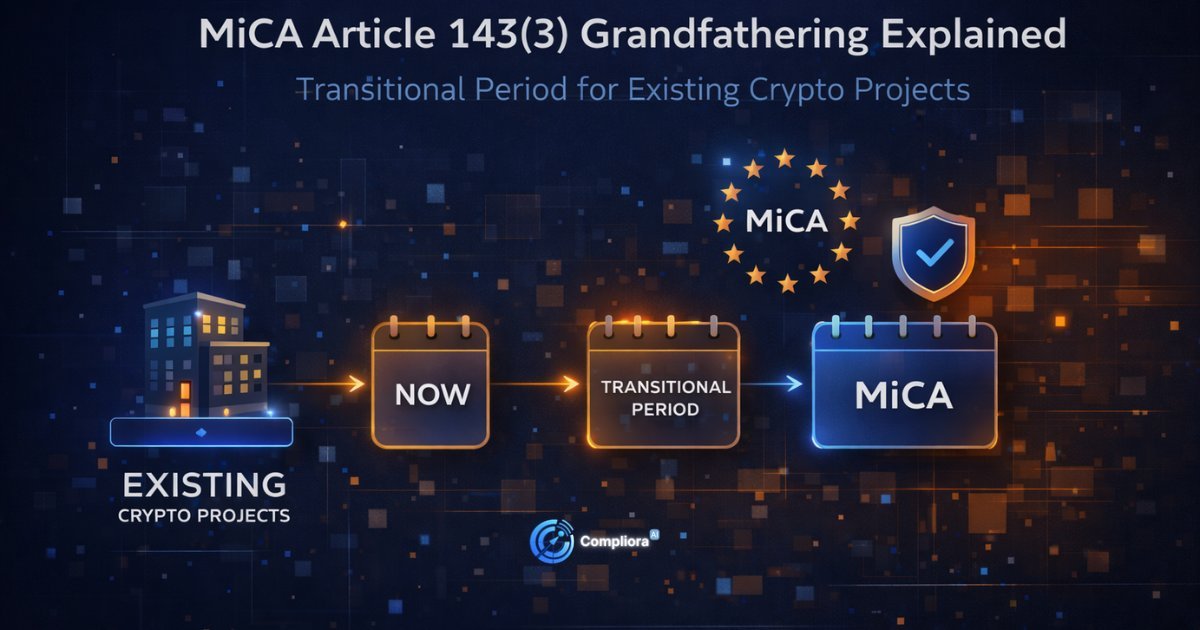
Member State timelines, simplified authorisation, and strategic implications for CASPs operating before 30 December 2024.
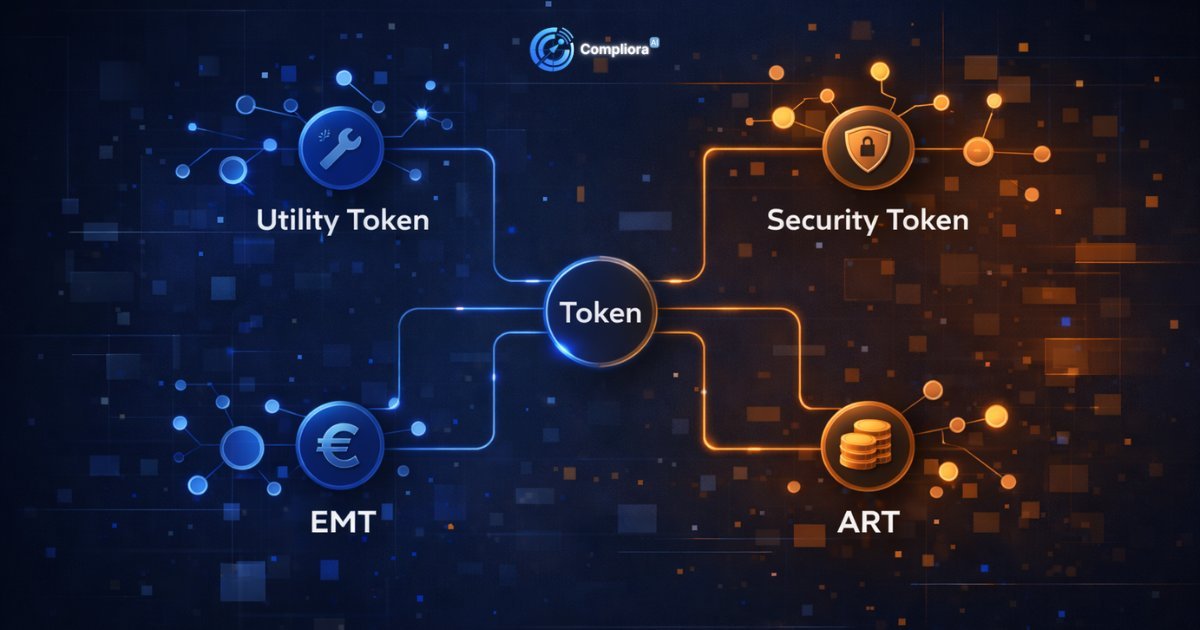
Four token categories, four completely different regulatory regimes. Definitions, examples, and a decision matrix you can apply today.
The single most important question in EU crypto regulation. The legal test, ESMA guidelines, and boundary cases explained.
Every obligation under MiCA Title V — capital requirements, governance, operational rules, and the authorisation process.
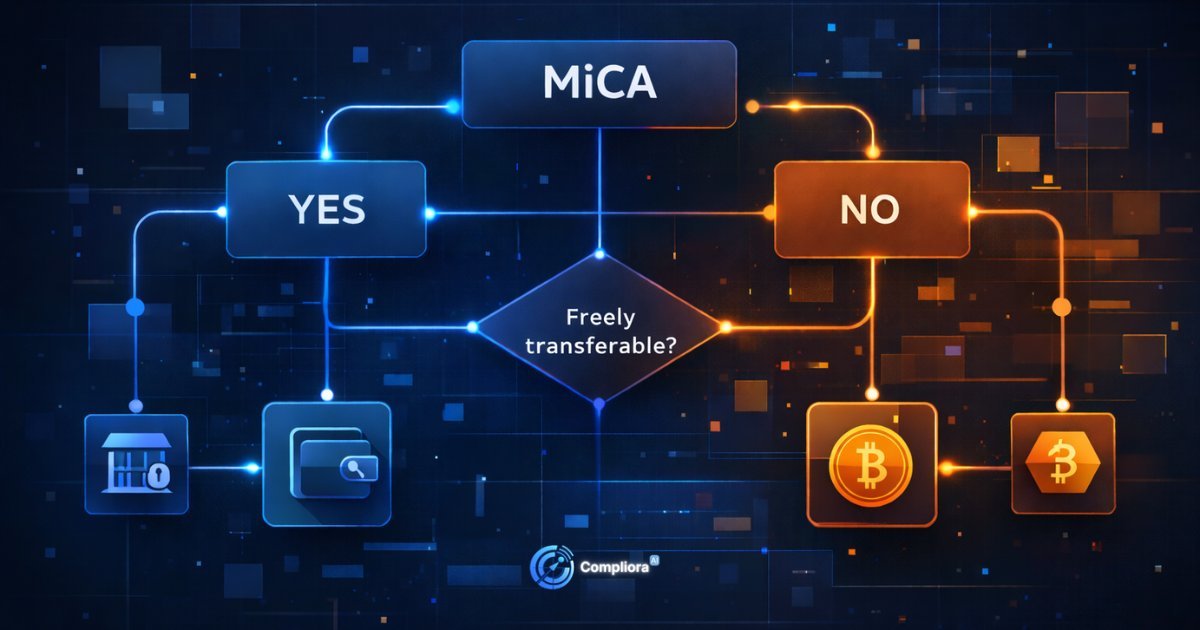
The four questions every founder must answer to know if MiCA applies. Legal scope, exemptions, and the most common misunderstandings.